The Origin
The Story of Sinai Pearl Limestone
Deep within the ancient Sinai Peninsula, where the desert meets the sea and civilizations have flourished for millennia, lies one of nature's most exquisite geological treasures — Sinai Pearl Limestone. This remarkable Sinai Pearl stone was formed over 40 million years ago during the Eocene epoch, when the region was submerged beneath a shallow tropical sea teeming with marine life.
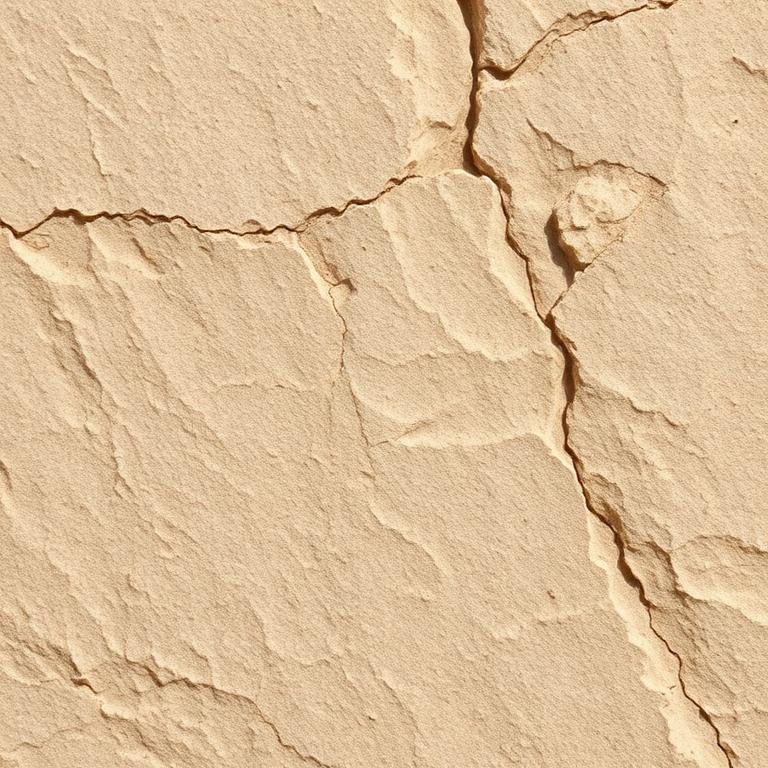
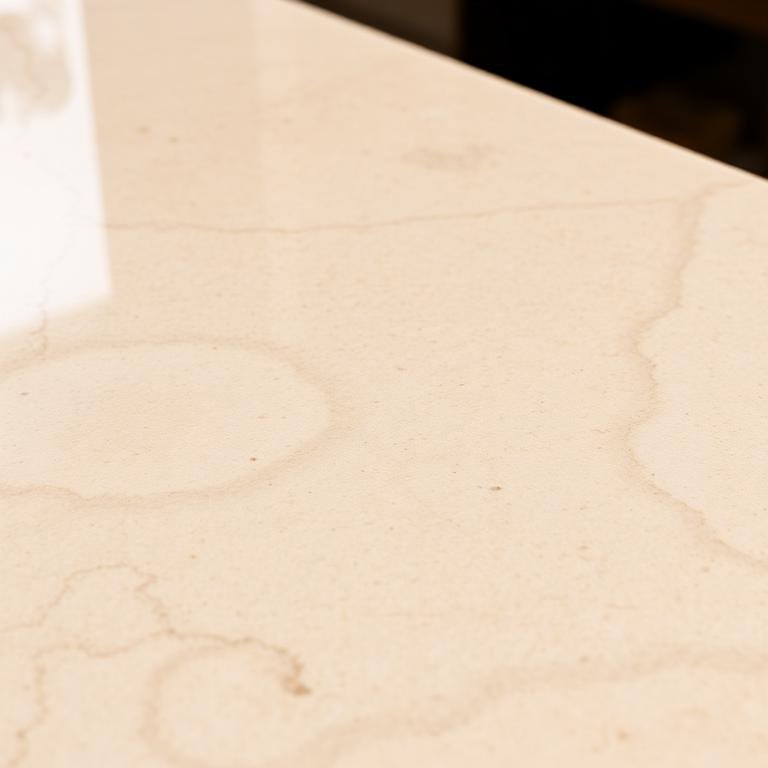
The geological formation of Sinai limestone Egypt is a testament to the slow, patient artistry of nature. Layer upon layer of calcium carbonate sediment, marine organisms, and mineral deposits accumulated on the ancient seabed, gradually compressing into the dense, warm-toned stone we know today. The distinctive fossil imprints visible in each slab tell the story of an ancient ocean, preserved forever in stone.
Today, the Sinai Pearl quarry operations employ modern extraction techniques that respect both the geological integrity of the stone and the environmental heritage of the region. Massive blocks are carefully cut from the quarry face using diamond wire saws, then transported to processing facilities where they are transformed into the refined Sinai Pearl limestone tiles and slabs that architects worldwide specify for their most prestigious projects.
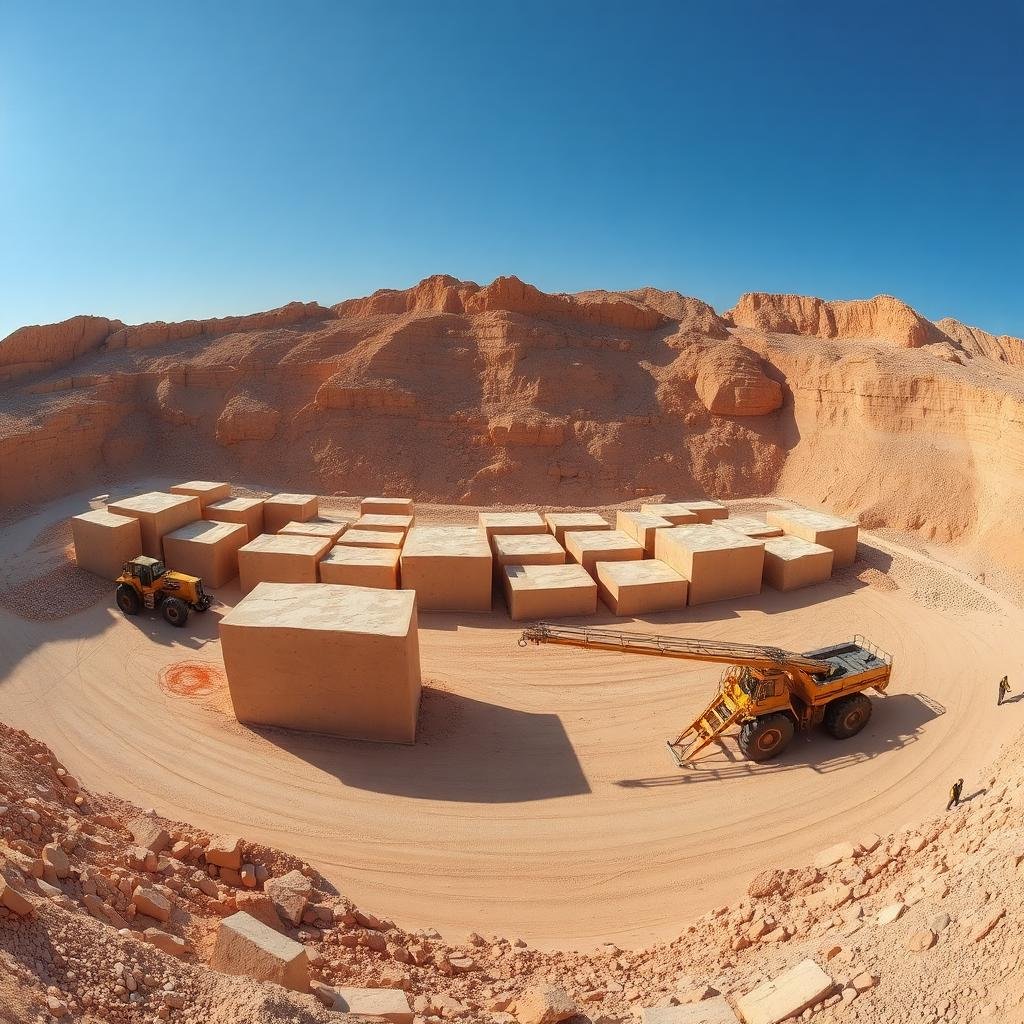
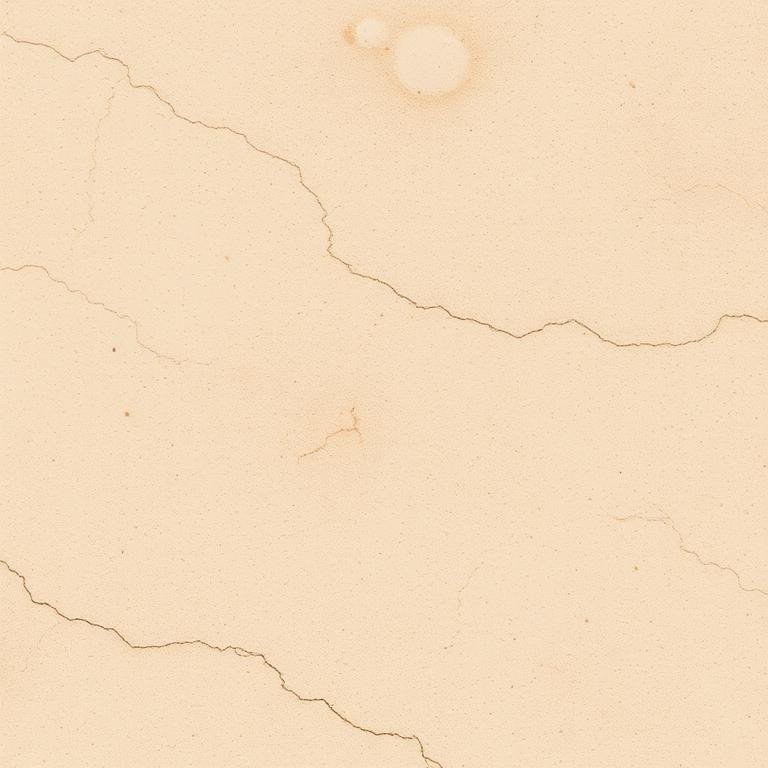
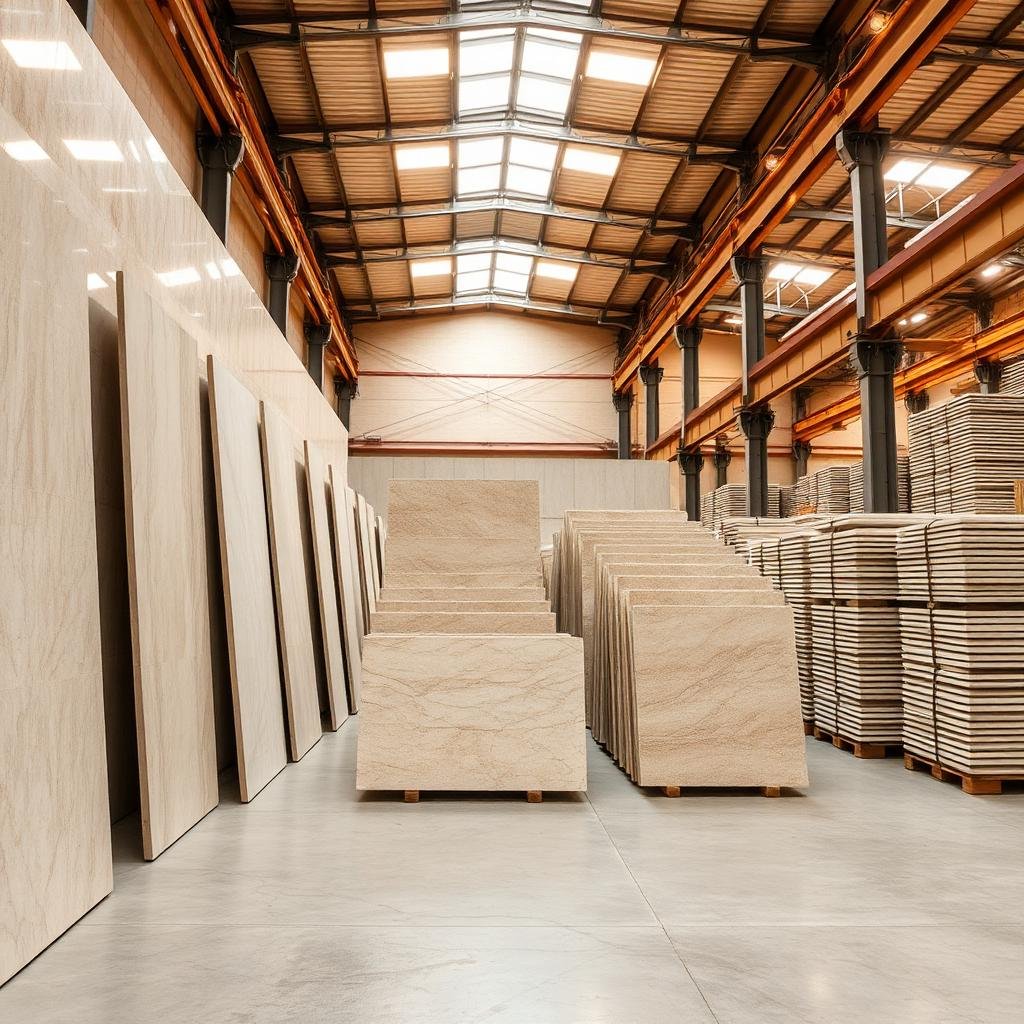
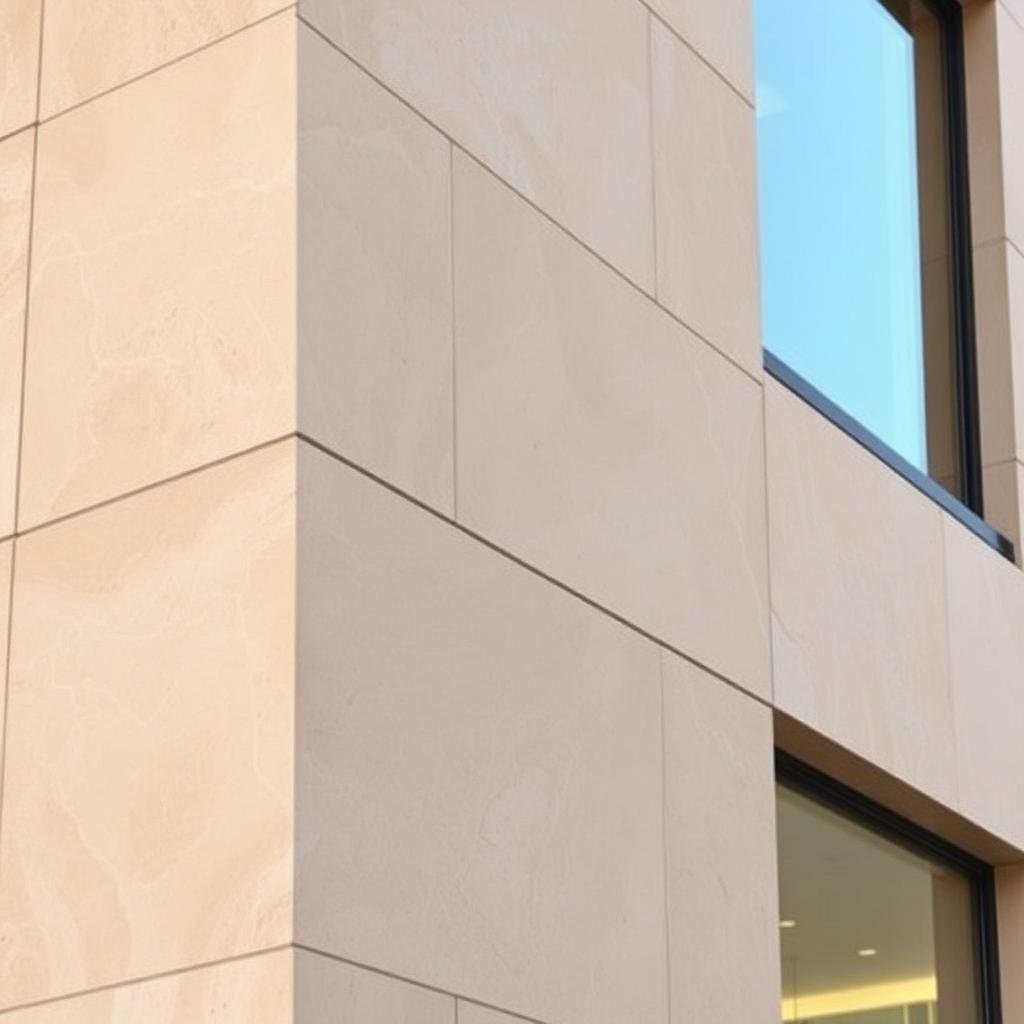
The extraction process at the Sinai Pearl quarry is a carefully orchestrated operation that balances productivity with preservation. Each block extracted represents millions of years of geological history, and the quarry masters understand the responsibility of bringing this natural Sinai Pearl limestone to the world. The result is a stone of remarkable consistency in both color and quality — a warm beige limestone from Egypt that has become synonymous with architectural excellence across the Mediterranean, Middle East, Europe, and beyond.